

Market volatility may reduce potency in traders, researchers warn
Irregular working hours, chronic stress, and the habit of checking market prices during romantic dinners may negatively affect male reproductive health, according to a new—and entirely fictional—study.
Researchers at NYU Grossman School of Medicine reported that traders and other finance professionals appeared to experience reduced libido, erectile difficulties, and a condition the team termed “reproductive liquidity syndrome.”
In the most advanced cases, the authors claimed to have identified signs of a disorder they named Trader Cancer. This name was chosen because of the long hours spent in front of a computer—a phenomenon particularly common among cryptocurrency traders due to the nature of those markets.
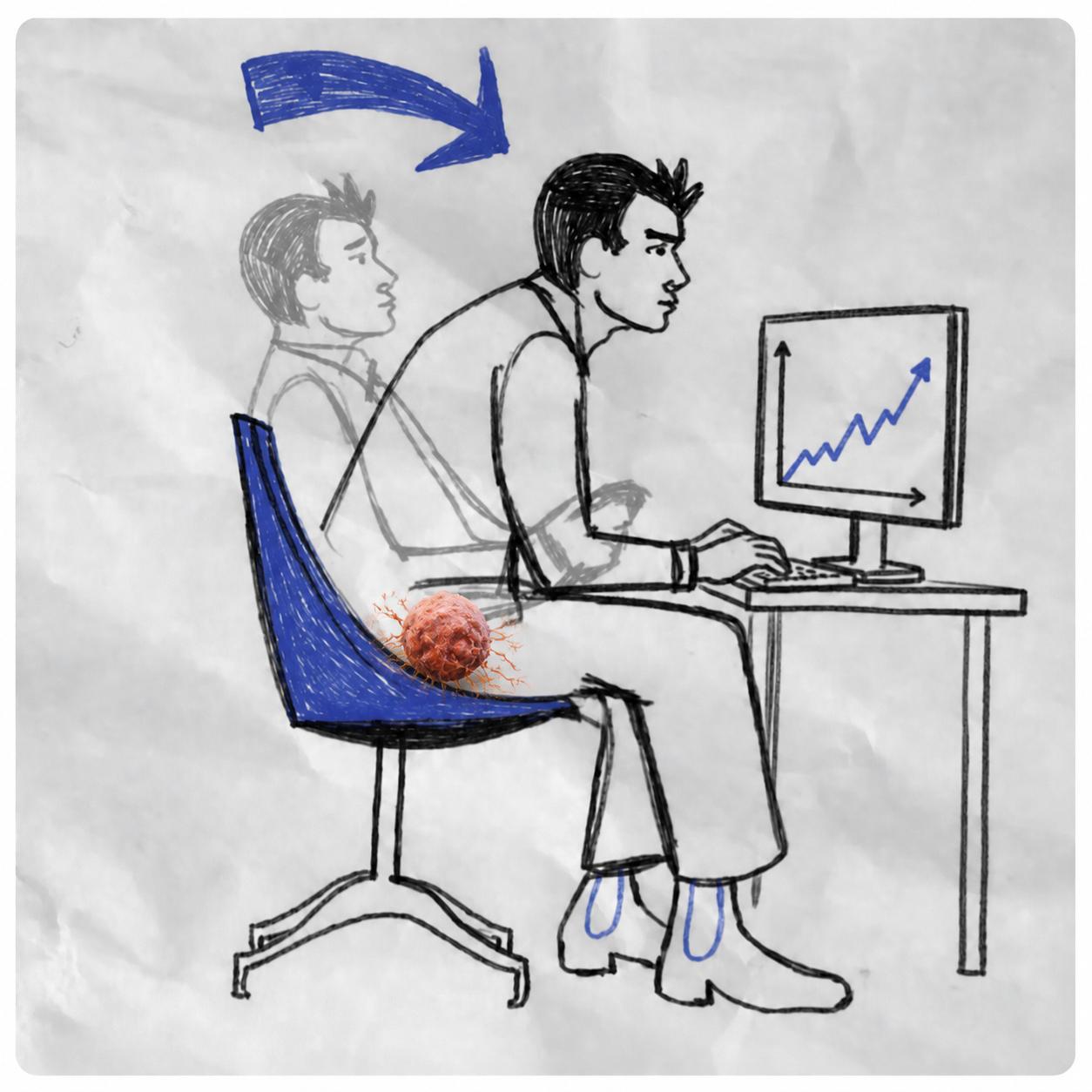
When more than stocks go down
The fictional study involved 490 men between the ages of 24 and 49, including stock traders, investment analysts, cryptocurrency enthusiasts, and several people who described themselves as “asset managers”.
For six months, participants wore heart-rate monitors, underwent laboratory testing, and recorded changes in their mood following the opening and closing of major trading sessions.
According to the results, the most pronounced problems occurred among men who:
- Checked price charts more than 80 times per day
- Used leverage above 20×
- Said “it’s only a temporary dip” more than three times per week
- Slept with a smartphone under their pillow
- Considered an energy drink to be a complete breakfast
The researchers proposed that repeated surges in cortisol may cause the body to reallocate its resources: blood is redirected toward the trading screen, while the reproductive system enters a state of temporary market suspension.
“When a portfolio loses 17% in five minutes, the body concludes that this may not be the ideal time to reproduce,” explained Professor Archibald Herms, fictional head of the Department of Behavioral Urology.
Testicles become defensive assets
The authors claimed that chronic financial stress caused the testicles of some participants to function less efficiently. Testosterone levels reportedly declined alongside the NASDAQ, but—unlike the index—did not always recover before the closing bell.
Men who traded at night and regularly woke up to exchange notifications appeared particularly vulnerable. The researchers called this phenomenon an “endocrine margin call”: the body demands an immediate deposit of sleep, rest, and proper nutrition. If these assets are unavailable, it begins forcibly liquidating positions in the libido sector.
One participant reportedly experienced a temporary recovery in sexual function after deleting his brokerage app. He reinstalled it two days later, explaining that the market had presented “a very attractive entry point.”
What is Trader Cancer?
The authors described Trader Cancer as a tumor allegedly caused by prolonged exposure to red candlesticks, trading commissions, and notifications reading, “Your position has been liquidated.”
Its principal satirical symptoms include:
- A painful reaction to the word “correction”
- An inability to become aroused without seeing a green chart
- Phantom phone vibrations in the groin area
- Attempts to apply technical analysis to semen-test results
- Confidence that testicular function is “about to bounce from support”
“Trader Cancer cannot be detected on an MRI scan, but it is usually obvious from the patient’s trading history,” said Dr. Maximilian Fruws, lead author of the nonexistent paper.
The researchers emphasized that real cancer cannot be diagnosed on the basis of a person’s profession, stress level, or daily candlestick color. Anyone experiencing pain, swelling, a lump, or a change in the size or shape of a testicle should consult a qualified medical professional—not a financial influencer.
Diversification may be the best prevention
The team recommended that traders diversify not only their portfolios but also their lives. Suggested measures included adequate sleep, physical activity, regular breaks from screens, and occasional conversations with people who do not begin every sentence with, “The market has already priced that in.”
“Our main recommendation is simple,” Professor Herms concluded. “Sometimes the position you need to close is the trading terminal.”
Posted in: Men's Health News | Medical Research News | Medical Condition News